MobiNexus
User-Centric Lab
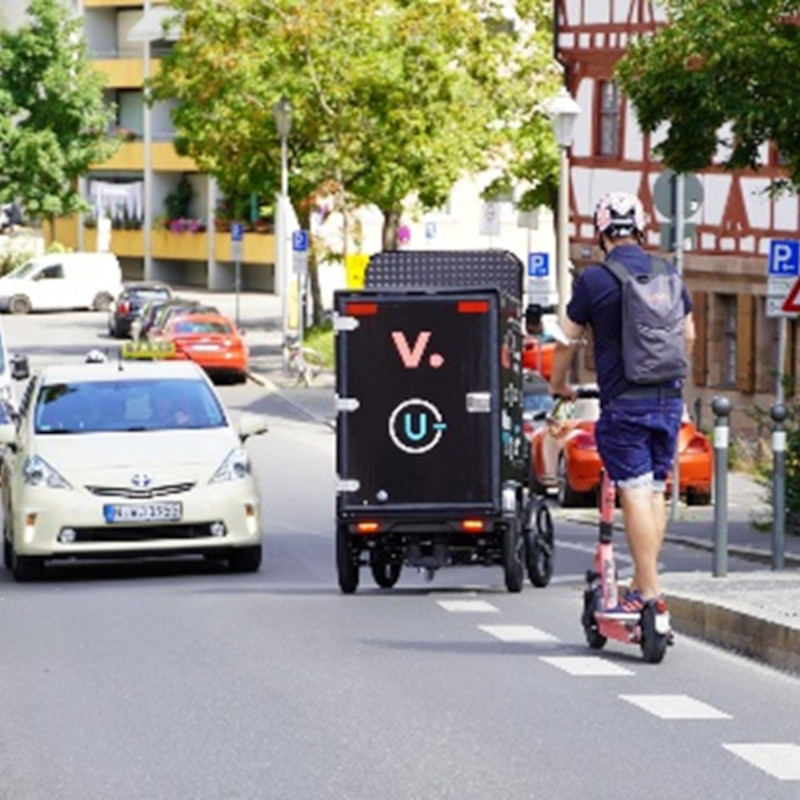
Your daily travel experience matters! What does it mean:
Start the Empathy Map
1. Be informed about the the problem.
Read the very short introduction below and find out how to contribute in the User-Centric Lab.
2. Share your experience
It only takes 5 to 7 minutes to submit the Empathy Map.
3. Your voice will directly shape future transport solutions!
Your opinion will be used in real design workshops across Europe.
Help us design smarter, cleaner, and more human-friendly mobility solutions for Europe.
How This Tool Works: The Empathy Map
We use a Design Thinking tool called an Empathy Map. It helps designers step into users’ shoes by capturing:
Think about:
What do you say and what do you do when using current mobility solutions? Examples:
Tip: Think about your actual words or actions.
What do you see around you when using mobility solutions? Examples:
Tip: Describe the environment as if someone else were there.
What do you hear during your mobility experience? Examples:
Tip: Think about both useful and annoying sounds or messages.
What goes through your mind — and how do you feel? Examples:
Tip: Feelings are as important as facts.
What are the most unpleasant parts of your mobility experience? Examples:
Tip: What makes you think “this shouldn’t be this hard”?
What would improve your experience or make you happy? Examples:
Tip: Be aspirational — imagine better solutions.
The MobiNexus is a two-year EU-funded project designed to bridge the gap between academia and industry to foster innovation in the transport and mobility sector especially focusing on the triple revolution in mobility. This ecosystem will drive the development and implementation of cutting-edge sustainable mobility solutions critical for achieving Europe's climate neutrality targets by 2050.
INNO-MOB was a two-year EU-funded project focusing on the opportunities that initiatives & networks offer to innovative and dynamic businesses through an inclusive mobility innovation.