Loading...

MobiNexus
User-Centric Lab

Call to Action

Shape the Future of Everyday Mobility

Your daily travel experience matters! What does it mean:

Start the Empathy Map

1. Be informed about the the problem.

Read the very short introduction below and find out how to contribute in the User-Centric Lab.

2. Share your experience

It only takes 5 to 7 minutes to submit the Empathy Map.

3. Your voice will directly shape future transport solutions!

Your opinion will be used in real design workshops across Europe.

Help us design smarter, cleaner, and more human-friendly mobility solutions for Europe.


The Challenge We’re Tackling


Your Contribution:

Your answers will be used in local Design Thinking workshops in each participating country, where concrete mobility concepts will be created.

How This Tool Works: The Empathy Map

We use a Design Thinking tool called an Empathy Map. It helps designers step into users’ shoes by capturing:

  • experiences,
  • emotions,
  • observations,
  • frustrations,
  • and desires.
You will be asked to fill in 6 short text fields. There are no right or wrong answers — honesty and concreteness matter most.

Think about:

  • a specific mobility solution you use or have used (public transport, shared mobility, private car, micromobility, etc.)
  • a real situation (daily commute, weekend travel, city trips, rural mobility…)

Fill in the Empathy Map:


Gender:


You mostly use mobility solutions in:


Country:


Which domain you want to focus on:


1. Say & Do

What do you say and what do you do when using current mobility solutions? Examples:

  • Things you complain about or praise
  • Habits you’ve developed
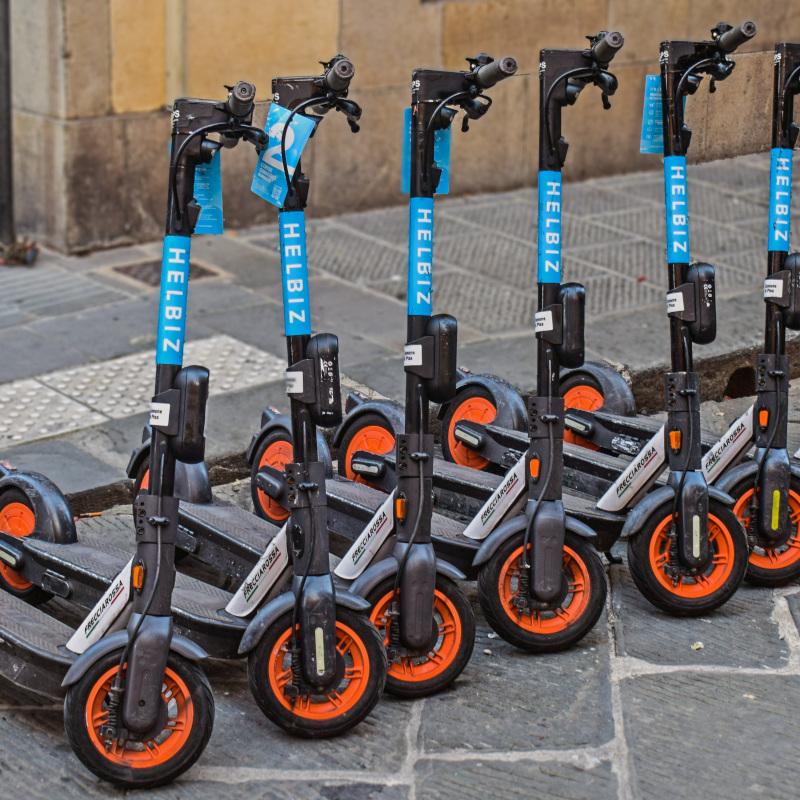
  • Alternative solution(s) you use. For example shared mobility (e-scooters, ride sharing) instead of public transport (trams, metro, buses).

Tip: Think about your own personal words or actions.


2. See

What do you see around you when using mobility solutions? Examples:

  • Infrastructure, vehicles, apps, people
  • Traffic, signage, cleanliness, accessibility
  • What catches your attention — positively or negatively

Tip: Describe the environment to somebody who was not there


3 Hear

What do you hear during your mobility experience? Examples:

  • Announcements, drivers, other users
  • Information (or lack of it)
  • Noise, silence, confusion

Tip: Think about both useful and annoying sounds or messages.


4 Think & Feel

What goes through your mind — and how do you feel? Examples:

  • Stress, comfort, frustration, confidence, safety
  • Worries or expectations
  • Emotional reactions before, during, or after the journey

Tip: Feelings are as important as facts.


5 Pains

What are the most unpleasant parts of your mobility experience? Examples:

  • Time loss, cost, uncertainty, complexity
  • Accessibility issues
  • Safety, comfort, or reliability problems

Tip: What makes you think “this shouldn’t be this hard”?


6 Gains

What would improve your experience or make you happy? Examples:

  • Features, services, or changes you wish existed
  • Things that would save time, reduce stress, or increase comfort
  • What an ideal mobility solution would give you

Tip: Be aspirational — imagine better solutions.